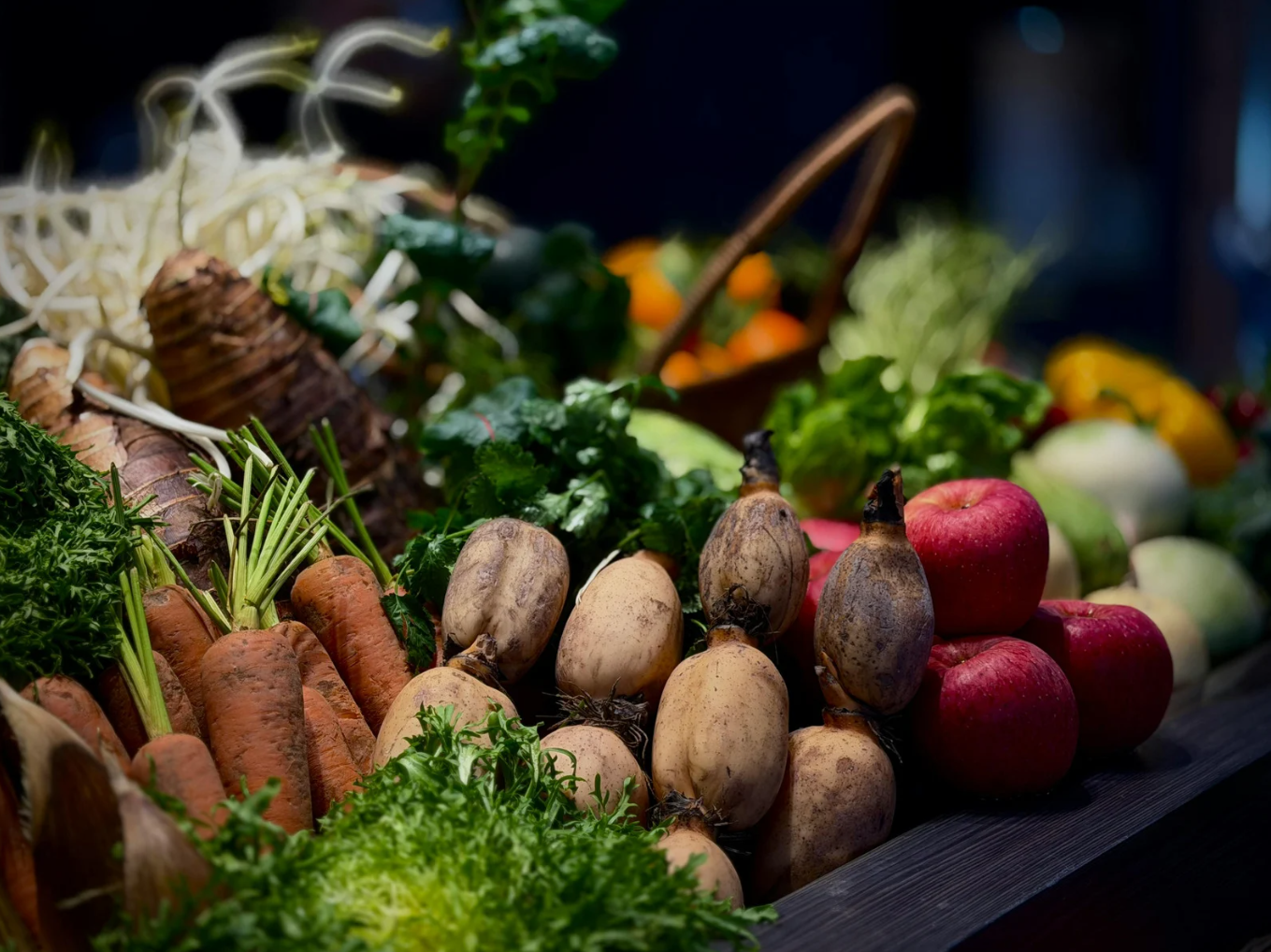

Organic food is often marketed as the healthier option, but when I look at the research, that claim isn’t strongly supported. To be clear, I am not anti-organic. But I am very pro scientific evidence. From performing an academic review, I found a consistent pattern.
1. Smith-Spangler et al., 2012 (Annals of Internal Medicine)
This large systematic review found no consistent evidence that organic foods are more nutritious or that they produce better health outcomes compared with conventionally produced foods.
2. Dangour et al., 2010 (American Journal of Clinical Nutrition)
After reviewing the available data, the authors concluded there was no clear evidence of health benefits or harms associated with eating organic foods versus conventional alternatives.
3. Dangour et al., 2009 (American Journal of Clinical Nutrition)
Nutrient differences between organic and conventional foods were found to be small and inconsistent, and unlikely to be relevant for public health, undermining claims of meaningful nutritional superiority.
4. Vigar et al., 2019 (Nutrients)
This review described the evidence as heterogeneous and limited. While some sub-analyses suggested potential signals, the overall data did not support firm conclusions that organic diets deliver superior health outcomes.
5. Theodoridis et al., 2025 (Systematic review & meta-analysis)
When examining organic food consumption and cancer risk, the pooled evidence showed no association between eating organic foods and reduced overall or site-specific cancer risk.
To close, organic food is not inherently healthier, nor is it pesticide-free, nor does it guarantee better long-term health outcomes. Choosing organic for environmental, ethical, or personal reasons is completely valid. However, from a nutrition standpoint, overall diet quality and consistency matter far more than the label.
Sources:
Dangour, A. D., Dodhia, S. K., Hayter, A., Allen, E., Lock, K., & Uauy, R. (2009). Nutritional quality of organic foods: A systematic review. The American Journal of Clinical Nutrition, 90(3), 680–685. https://doi.org/10.3945/ajcn.2009.28041
Dangour, A. D., Lock, K., Hayter, A., Aikenhead, A., Allen, E., & Uauy, R. (2010). Nutrition-related health effects of organic foods: A systematic review. The American Journal of Clinical Nutrition, 92(1), 203–210. https://doi.org/10.3945/ajcn.2010.29269
Smith-Spangler, C., Brandeau, M. L., Hunter, G. E., Bavinger, J. C., Pearson, M., Eschbach, P. J., Sundaram, V., Liu, H., Schirmer, P., Stave, C., Olkin, I., & Bravata, D. M. (2012). Are organic foods safer or healthier than conventional alternatives?: A systematic review. Annals of Internal Medicine, 157(5), 348–366. https://doi.org/10.7326/0003-4819-157-5-201209040-00007
Theodoridis, X., Papaemmanouil, A., Papageorgiou, N., Georgakou, A. V., Kalaitzopoulou, I., Stamouli, M., & Chourdakis, M. (2025). The Level of Adherence to Organic Food Consumption and Risk of Cancer: A Systematic Review and Meta-Analysis. Life, 15(2), 160. https://doi.org/10.3390/life15020160
Vigar, V., Myers, S., Oliver, C., Arellano, J., Robinson, S., & Leifert, C. (2019). A Systematic Review of Organic Versus Conventional Food Consumption: Is There a Measurable Benefit on Human Health? Nutrients, 12(1), 7. https://doi.org/10.3390/nu12010007

.svg)